
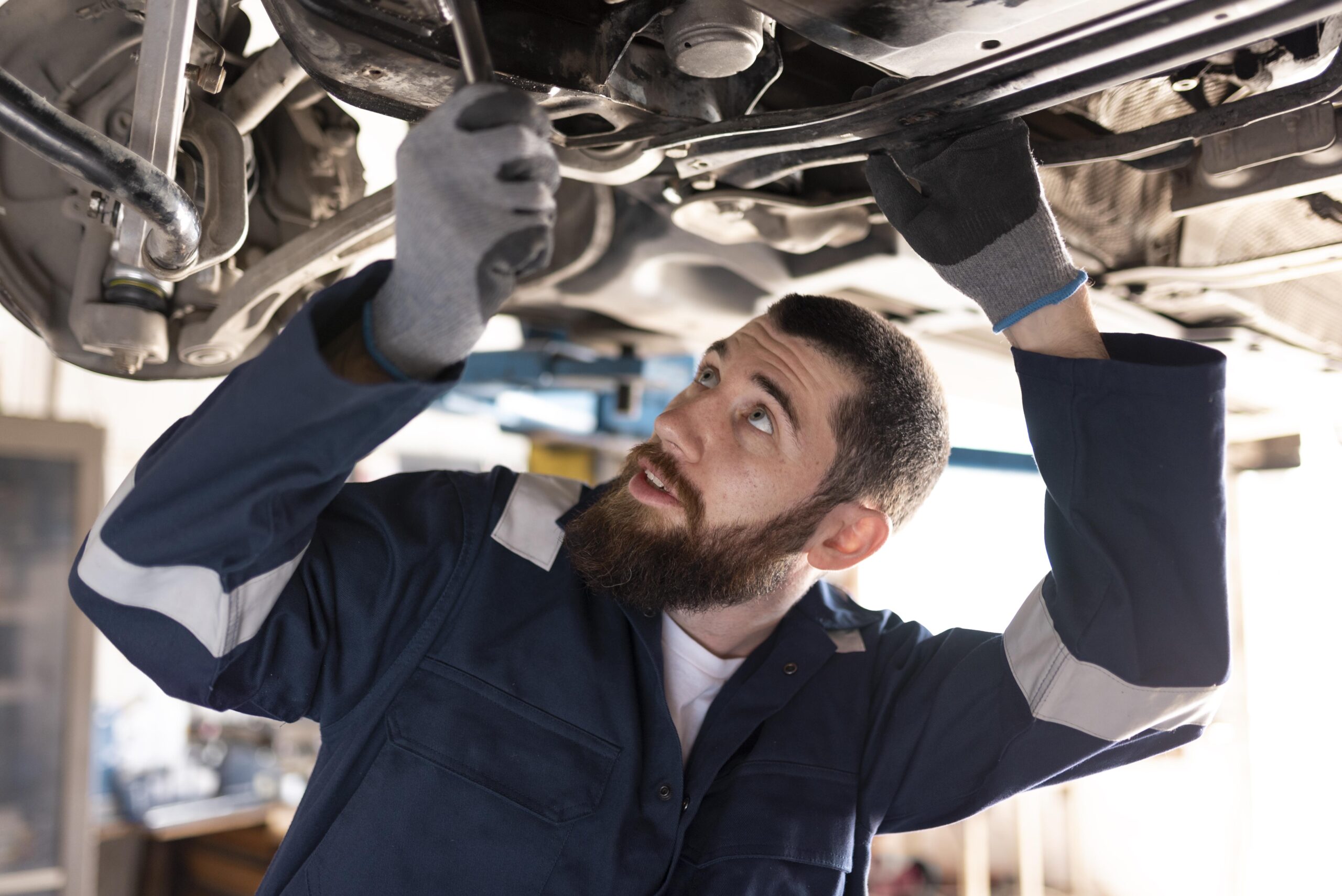
Suspension systems are the backbone of a comfortable and controlled driving experience. Whether you drive on highways, bumpy rural paths, or off-road trails, a healthy suspension keeps your vehicle stable and responsive. When issues arise, car suspension repair becomes essential not only for comfort but for the overall safety of your driving lifestyle. A neglected suspension can cause tire wear, poor handling, and reduced braking efficiency—problems that can put you and your passengers at risk.
Understanding What a Car Suspension System Really Does
A vehicle’s suspension system does far more than cushion bumps. It is a coordinated network of components designed to absorb shock, maintain tire contact with the road, and provide balance while turning or braking. When working properly, shocks, struts, springs, and control arms all collaborate to ensure consistent road grip. This balance is crucial for anyone who enjoys outdoor adventures or long-distance travel. The system stabilizes your vehicle against rough terrain, strong winds, and sudden maneuvers. Without regular car suspension repair, these components lose efficiency, leading to handling issues that affect both comfort and safety.
Common Signs Your Car Needs Suspension Repair
Suspension problems often start small but become more obvious over time. Drivers may notice the car drifting to one side, excessive bouncing after hitting bumps, or uneven tire wear. Strange noises—like clunking or squeaking—while turning or braking are also strong indicators. A rough ride is one of the clearest signs. If you suddenly feel every dip and bump, your shocks or struts may be failing. Another warning sign is dipping forward when stopping, which can reduce braking power. Recognizing these symptoms early allows you to address issues before they lead to costlier repairs or dangerous driving conditions.
Causes Behind Suspension Damage and Wear
Several factors contribute to suspension wear, and understanding them can help extend the life of your vehicle. Rough roads, potholes, and off-road trails put significant strain on shocks and struts. Extreme weather, whether hot or freezing, can cause rubber components to crack and metal parts to corrode. Everyday driving, even under normal conditions, slowly wears down the system. Carrying heavy loads or towing also accelerates wear and tear. Over time, these factors break down fluid in the shocks, loosen bolts, and weaken springs. Regular car suspension repair prevents these common causes from compromising your vehicle’s stability.
Also Read THIS:- Luxury Villas in Greece by Le Collectionist: Curated Escapes in the Aegean
Types of Car Suspension Systems (and How They Affect Repairs)
Different vehicles use different suspension designs, each with its own repair needs. Standard systems include independent suspensions, which allow each wheel to move independently, improving comfort and handling. Solid-axle suspensions, often found in trucks and off-road vehicles, provide strength and stability on rugged terrain. Air suspensions use inflatable bags to deliver adjustable height and smoothness, while adaptive suspensions use sensors to adjust in real time. Each type requires specific repair techniques. Air suspensions may need bag replacements, while independent systems often require control arm and bushing repairs. Understanding your vehicle’s setup ensures accurate and effective maintenance.
How Car Suspension Repair Improves Safety and Comfort
A strong suspension system enhances control, stability, and handling. When shocks and struts work properly, they keep tires firmly connected to the road, improving steering precision. This is especially important on winding roads, wet surfaces, and steep terrain. A repaired suspension also reduces stopping distance, making braking more efficient. Comfort improves drastically, transforming rough drives into smooth, enjoyable journeys. For outdoor enthusiasts, a well-maintained suspension enhances traction on trails and prevents damage to other vehicle components. Investing in car suspension repair ultimately protects your safety and elevates your driving experience.
DIY Suspension Checks: What You Can Safely Inspect Yourself
While full repairs require professional tools and expertise, drivers can perform simple checks at home. Start by pushing down on each corner of the car; if it bounces more than once, the shock absorbers may be worn. Inspect tires for uneven tread patterns, which can indicate alignment or suspension issues. Listen for unusual noises when driving over bumps or turning. Look underneath the car for leaking fluid around the shocks or struts. Although these checks help detect early problems, only certified technicians should perform complex repairs or component replacements.
Also Read THIS:- Cleaning Services: Everything You Need to Know for a Cleaner Living Space
Professional Suspension Repair: What Mechanics Actually Do
A certified technician performs a detailed inspection to identify worn or damaged components. This includes checking shocks, struts, control arms, bushings, sway bars, ball joints, and springs. Mechanics may test drive the vehicle to analyze handling and noise issues. They also inspect alignment to ensure wheels point in the correct direction. Replacement of worn parts follows industry-standard procedures to restore optimal performance. After repairs, technicians often perform wheel alignment to prevent uneven tire wear and improve stability. Professional car suspension repair ensures long-lasting reliability and precision. For vehicle owners planning a long-distance move, arranging reliable Illinois Car Shipping can help ensure your car arrives safely and smoothly, just as quality suspension repair ensures a comfortable and secure driving experience.
Cost Breakdown: What to Expect for Common Suspension Repairs
The cost of repairs varies based on the vehicle type, parts needed, and labor time. Shock or strut replacement typically ranges from moderate to higher costs, depending on quality and vehicle size. Control arm or bushing replacements may cost more due to labor intensity. Luxury or off-road vehicles often require specialized parts, increasing the overall price. Wheel alignment is usually affordable and often necessary after suspension work. While costs vary, investing in timely repairs prevents severe damage and higher expenses later on.
Maintenance Tips to Prolong Suspension Life
Regular maintenance extends the lifespan of your suspension system. Avoid hitting potholes or curbs whenever possible, as they cause sudden damage to components. Schedule routine inspections, especially if you frequently drive off-road. Replace worn tires promptly to reduce stress on the system. Keep your vehicle clean underneath to prevent rust buildup. Carry only the weight your vehicle is designed for; overloading accelerates wear on springs and shocks. By practicing these habits, you reduce the need for frequent car suspension repair and maintain smoother, safer drives.
Lifestyle Impact: How Suspension Health Shapes Daily Driving
A healthy suspension improves more than car performance—it enhances your lifestyle. Outdoor enthusiasts benefit from better traction and smoother navigation on trails. Families enjoy safer rides with improved stability and control. Commuters experience reduced fatigue thanks to consistent handling and comfort. Long-distance travelers appreciate the reduced wear on tires and brakes, lowering overall maintenance costs. A dependable suspension system makes every journey—whether routine or adventurous—a more enjoyable and secure experience.
Myths and Misconceptions About Car Suspension Repair
Many drivers believe suspension repairs are unnecessary unless the car rides extremely rough, but problems often start long before symptoms appear. Some assume only off-road vehicles need regular maintenance, yet all vehicles require periodic inspections. Others believe shocks and struts last the lifetime of the car, but most need replacement every 50,000–100,000 miles. Misunderstanding repair costs can also delay important service. Dispelling these myths helps drivers make informed decisions and maintain optimal vehicle health.
Final Thoughts: Keeping Your Ride Smooth, Safe, and Reliable
Your suspension system plays a crucial role in your vehicle’s performance, safety, and comfort. Whether navigating mountain trails, city streets, or open highways, keeping the system in top condition enhances your lifestyle and protects your vehicle. Prioritizing car suspension repair ensures smoother rides, better handling, and long-term reliability. With routine checks, timely repairs, and responsible driving habits, you can enjoy every journey with confidence.
FAQs
What is the purpose of a car suspension system?
It stabilizes the vehicle, absorbs shock, and maintains tire contact with the road.
How often should I inspect my suspension?
Every 12 months or sooner if you notice unusual symptoms.
What causes suspension wear?
Potholes, rough terrain, weather exposure, and normal aging.
Can I drive with a bad suspension?
It’s unsafe and can increase vehicle damage.
Do all cars use the same suspension system?
No, different vehicles use different suspension designs.
For More Latest Update dailycaller.co.uk
