

Few names in the world of motorsport evoke as much recognition and debate as Bernie Ecclestone. Known globally as the British business magnate who transformed Formula One from a niche racing pastime into a multibillion-dollar global enterprise, Ecclestone’s story is one of ambition, controversy, and lasting influence.
Quick Bio
| Full Name | Bernard Charles Ecclestone |
|---|---|
| Date of Birth | 28 October 1930 |
| Place of Birth | St Peter South Elmham, Suffolk, England |
| Nationality | British |
| Occupation | Businessman, Former F1 Chief Executive |
| Known For | Transforming Formula One into a global sporting empire |
| Net Worth (Approx.) | Over $3 billion (varies by source) |
| Spouse | Fabiana Flosi (2012 – present); previously Slavica Radić |
| Children | 4 (including Tamara and Petra Ecclestone) |
| Years Active | 1950s – present |
| Notable Role | Chief Executive of Formula One Management |
Early Life and Background

Born in a small English village during the Great Depression, Bernie Ecclestone was raised in modest circumstances. His father, a fisherman, instilled in him a deep appreciation for hard work and resilience. From an early age, Bernie exhibited a fascination with engines, speed, and mechanical engineering, which later became the foundation of his career.
After leaving school early, Ecclestone worked as a motorcycle parts trader—an experience that would sharpen his business instincts and entrepreneurial acumen.
Passion for Speed
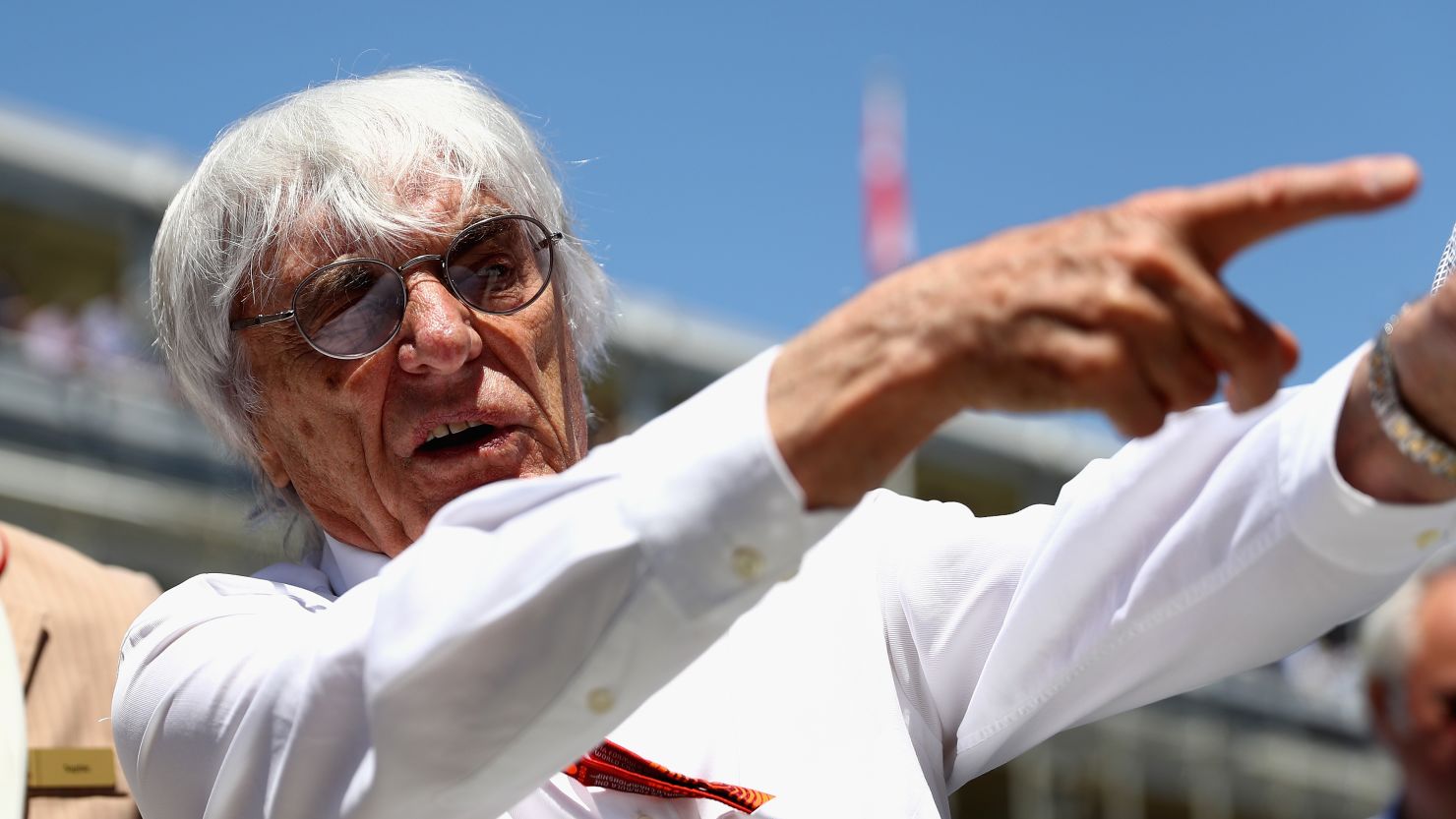
Ecclestone’s foray into the world of racing began in the late 1940s when he started competing in Formula 3 races. Although his own driving career was brief, it allowed him to develop a keen understanding of the sport’s commercial and technical sides. His early exposure to the racing community laid the groundwork for his later dominance in Formula One.
From Trader to Team Owner
By the 1950s, Bernie Ecclestone had shifted from driving to managing and investing. He became involved with racing teams, most notably acquiring the Brabham Team in the 1970s. Under his ownership, Brabham achieved significant success, winning two Formula One World Championships. This success established Ecclestone not just as a participant but as a powerbroker capable of reshaping the sport’s financial and organizational structure.
The Formation of Formula One Management
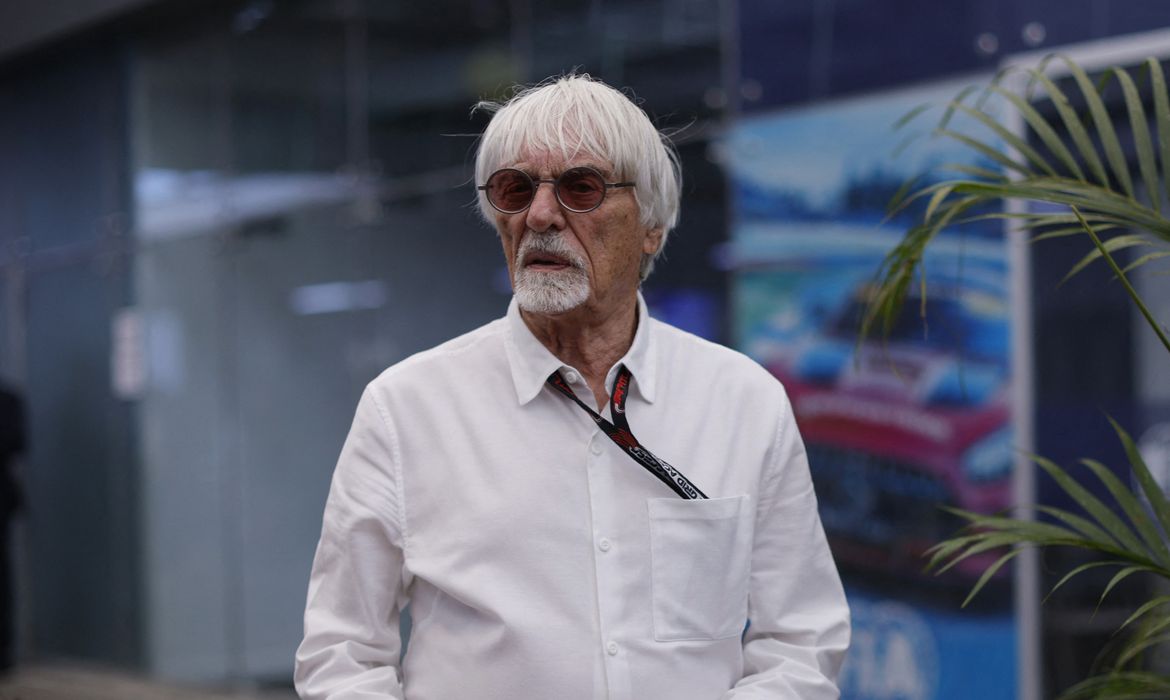
Perhaps Ecclestone’s most significant contribution came in the creation of Formula One Management (FOM). By uniting the interests of various racing teams, Ecclestone negotiated television and sponsorship rights, centralising control and revenue distribution. This move turned Formula One into one of the most profitable and professionally managed sports in the world.
He became the Chief Executive Officer of Formula One Group, overseeing global broadcasting rights and commercial operations, effectively transforming a fragmented sport into a cohesive, lucrative brand.
Transforming Formula One into a Global Empire
Under Bernie Ecclestone’s leadership, Formula One expanded its presence to every corner of the globe. Races were hosted in new markets such as the Middle East, Asia, and North America. He introduced standardised sponsorship deals, global media coverage, and corporate partnerships that boosted the sport’s image and profitability.
Through his strategic vision, Formula One became synonymous with luxury, technology, and prestige, attracting billion-dollar sponsorships and an elite global audience.
The Business Philosophy of Bernie Ecclestone
Ecclestone’s success was rooted in his unique business philosophy—a combination of negotiation, foresight, and risk-taking. Known for his ability to strike profitable deals, he understood the importance of television rights long before others in motorsport did.
His mantra was simple: control the product, control the profit. This belief made him one of the most powerful figures in global sports management.
Controversies and Criticisms
Despite his accomplishments, Bernie Ecclestone has often been a polarising figure. Over the years, he faced legal challenges, tax investigations, and public controversies for his outspoken remarks and political views. Critics accused him of prioritising profit over sporting fairness, while supporters credited him for turning a struggling sport into a commercial powerhouse.
His complex personality—both admired and criticised—added to his mystique as the unshakable king of Formula One.
Leadership Style and Negotiation Tactics
Ecclestone’s leadership style was both assertive and strategic. Known for his calm demeanour and unrelenting confidence, he was a master negotiator who could turn even the most resistant parties into partners. His ability to understand human motivation allowed him to forge alliances that others considered impossible.
This leadership acumen earned him respect across business and sporting circles, even among his rivals.
The Exit from Formula One
In 2017, following the acquisition of Formula One Group by Liberty Media, Ecclestone stepped down as chief executive after decades at the helm. His departure marked the end of an era but also highlighted the enduring legacy he built. Though no longer in charge, his structure for global operations remains the blueprint for the modern Formula One industry.
Life Beyond the Circuit
Post-retirement, Bernie Ecclestone focused on investments, philanthropy, and family life. He married Fabiana Flosi and welcomed another child at age 89, surprising the world with his vitality.
He also continued to appear at select F1 events and offered candid commentary on the sport he helped define. Despite stepping back from daily operations, his influence remains deeply embedded in the DNA of Formula One.
Wealth, Lifestyle, and Influence
Known for his luxurious lifestyle, Ecclestone amassed substantial wealth through shrewd deals and long-term contracts. His daughters, Tamara and Petra, became public figures in their own right, often featured in media for their high-profile lifestyles.
Yet behind the glamour lies a businessman who values strategy, control, and timing above all else. His story exemplifies how vision and persistence can turn even the most traditional sport into a global spectacle.
Bernie Ecclestone’s Legacy in Motorsport
Ecclestone’s impact on motorsport cannot be overstated. He professionalised the racing industry, standardised safety protocols, and made Formula One a symbol of innovation and elite competition.
Today’s global F1 calendar—with its state-of-the-art circuits, international audiences, and record-breaking sponsorships—is a direct result of Ecclestone’s decades of leadership and business innovation.
Modern Perception and Continuing Influence
Even years after his formal exit, Ecclestone remains a symbol of authority and entrepreneurship. Many current F1 executives still follow his methods for negotiations and partnerships.
Younger generations of fans may not fully grasp his role in building the modern F1 brand, but industry insiders regard him as a visionary strategist whose business acumen redefined sports management.
Final Thoughts
To understand Formula One is to understand Bernie Ecclestone. From a small-town boy with a love for engines to a billionaire who dominated the motorsport world, his life is a testament to determination and foresight.
He was not merely a businessman; he was the architect of a global entertainment phenomenon. Whether celebrated or criticised, Bernie Ecclestone will forever be remembered as the man who put Formula One on the map—and ensured it stayed there.
FAQs
Who is Bernie Ecclestone?
Bernie Ecclestone is a British business magnate best known for transforming Formula One into a global sports empire.
How did he change Formula One?
He centralised broadcasting and sponsorship deals, making the sport more profitable and globally recognised.
When did Bernie Ecclestone leave F1?
He stepped down in 2017 after Liberty Media acquired Formula One Group.
What is Bernie Ecclestone’s net worth?
Estimates vary, but his net worth is believed to exceed $3 billion.
Is Bernie Ecclestone still involved in motorsport?
While not in charge, he remains an influential figure and commentator on Formula One affairs.
What makes Bernie Ecclestone’s business approach unique?
His foresight in monetising media rights and centralising control revolutionised sports management worldwide.
More Information go to: dailytrusts
