

The story of Adam Petty is both inspiring and deeply emotional. As a fourth-generation racer from the legendary Petty family, Adam’s name remains unforgettable in the world of American motorsport. His journey through NASCAR and his dream to continue his family’s racing legacy were tragically cut short, but his impact still drives passion in fans and young racers around the world.
Quick Bio
| Category | Details |
|---|---|
| Full Name | Adam Kyler Petty |
| Date of Birth | July 10, 1980 |
| Place of Birth | Trenton, New Jersey, USA |
| Date of Death | May 12, 2000 |
| Age at Death | 19 years old |
| Nationality | American |
| Occupation | Professional Race Car Driver |
| Racing Series | NASCAR Busch Series, ARCA Series |
| Family Legacy | Son of Kyle Petty, Grandson of Richard Petty, Great-Grandson of Lee Petty |
| Team | Petty Enterprises |
| Car Number | 45 |
| Notable Achievement | Youngest driver to win an ARCA race (1998) |
Early Life and Family Heritage
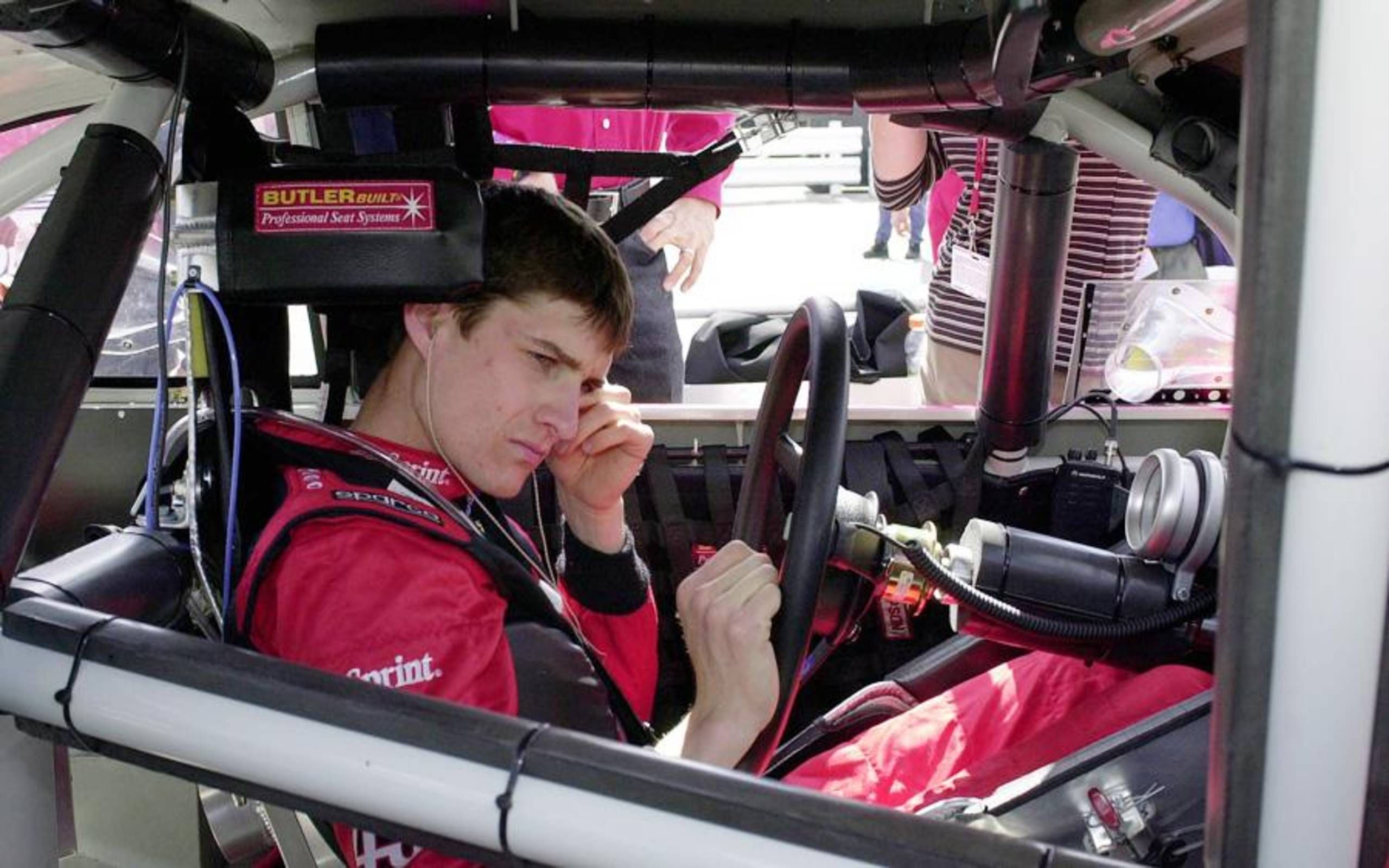
Born into the legendary Petty racing dynasty, Adam Petty seemed destined for the racetrack from the very beginning. His great-grandfather Lee Petty was a NASCAR pioneer, his grandfather Richard “The King” Petty was a seven-time NASCAR Cup Series champion, and his father Kyle Petty carried on that winning spirit into the modern era. Adam grew up surrounded by engines, trophies, and the unmistakable roar of speed, making it clear that his life’s passion was already written in his family’s history.
Even as a child, Adam showed a deep curiosity about cars and racing strategy. His enthusiasm and natural charisma made him stand out, not just as a member of the Petty family, but as a young man with his own ambitions and dreams.
The Beginning of a Racing Dream

Adam’s professional journey began in 1998, when he joined the ARCA Racing Series, a common starting ground for future NASCAR stars. That same year, he made headlines by winning his debut race at the Charlotte Motor Speedway, becoming the youngest driver ever to win in ARCA at just 18 years old. This victory was more than a milestone—it was a clear sign that Adam had inherited both skill and spirit from generations before him.
His success in ARCA opened doors to the NASCAR Busch Series (now known as the Xfinity Series), where he began competing against more seasoned drivers. Despite being a rookie, his performance and fearless attitude impressed fans and team owners alike.
Rising Star in NASCAR
By 1999, Adam Petty was seen as one of NASCAR’s most promising young drivers. He drove the iconic No. 45 car, a number that would later become a symbol of his life and legacy. Competing for Petty Enterprises, he represented not just his family but a new generation of racers ready to carry the sport into the future.
Adam’s approach to racing was professional and focused. He balanced determination with humility, often crediting his family and crew for his progress. His genuine personality and connection with fans made him one of the sport’s most beloved young figures.
Memorable Racing Moments

During his short career, Adam Petty created moments that NASCAR fans still cherish. His first ARCA win, his Busch Series debut, and his qualification for several top-level races showcased his skill. He was particularly known for his smooth driving style and fearless cornering, traits that reflected a maturity beyond his years.
Although he didn’t have time to build a lengthy record, his presence on the track was filled with potential and promise. Fellow drivers often spoke about his natural racing instincts and how he handled pressure like a seasoned veteran.
Tragic Accident and Untimely Death
On May 12, 2000, tragedy struck during a practice session at New Hampshire Motor Speedway. Adam’s throttle stuck open, causing his car to hit the wall head-on. The impact was devastating, and the young racer lost his life instantly due to a basilar skull fracture. His death shook the NASCAR community to its core.
The loss of Adam Petty was not just a family tragedy—it was a turning point for NASCAR. Fans across the nation mourned the loss of a talented driver who had barely begun to show his full potential.
Safety Reforms and NASCAR’s Response
Adam’s accident led to major safety changes in the sport. NASCAR began taking new measures to prevent similar incidents. These included mandatory kill switches on steering wheels, improvements to seat restraints, and later, the HANS device (Head and Neck Support), which became a vital safety innovation that saved countless lives in the years to follow.
His death also influenced how racing teams approached safety in both car design and track procedures, making the sport safer for future generations.
The Legacy of the Petty Family
The Petty family legacy in motorsport is one of triumph, tragedy, and unmatched dedication. Adam Petty represented the fourth generation of Pettys in NASCAR—a family that had defined American racing for decades.
His great-grandfather Lee Petty was among the sport’s founding fathers, his grandfather Richard Petty became NASCAR’s winningest driver, and his father Kyle Petty carried forward that heritage with grace. Adam was the next in line to continue that proud tradition, symbolizing the future of NASCAR’s most iconic family.
How Kyle Petty Honored His Son
After Adam’s passing, his father Kyle Petty found ways to keep his son’s memory alive through meaningful work. He continued to race the No. 45 car, the same number Adam used, as a tribute. More importantly, Kyle established Victory Junction, a camp for children with serious illnesses.
Victory Junction became a place where children could experience the joy of life, racing, and friendship—reflecting the energy and compassion Adam always carried. It stands today as one of the most heartfelt tributes in motorsport history.
Victory Junction
Founded in 2004 in Randleman, North Carolina, Victory Junction was inspired by Adam’s dream of helping children. The camp offers programs free of charge to kids dealing with chronic or life-threatening medical conditions.
This legacy of kindness and community ensures that Adam Petty continues to make a difference long after his passing. Thousands of families have benefited from the camp, making Adam’s memory a symbol of hope and inspiration.
The Symbolism of the No. 45 Car
The No. 45 car has since become an emotional icon in NASCAR. After Adam’s death, Kyle Petty continued to drive it until his retirement, and later, Petty Enterprises revived it in tribute to Adam’s lasting influence. For fans, that number isn’t just a car—it represents youth, hope, and the enduring strength of family.
Public Reaction and Media Coverage
When news of Adam’s death broke, the entire NASCAR community and sports world came together in mourning. Television networks, newspapers, and fans paid tribute, recalling his bright smile and unshakable optimism. Memorials appeared at racetracks nationwide, and thousands attended his funeral to honor the young racer who had already touched so many lives.
Remembering Adam Petty Today
Even decades after his passing, Adam Petty is remembered with deep affection by fans and fellow racers. His life serves as a reminder of the passion that fuels NASCAR and the human stories behind every car on the track.
Each year, racing enthusiasts continue to celebrate his spirit, especially through Victory Junction events, documentaries, and special NASCAR tributes that keep his name alive in the sport’s history.
The Inspiration He Left Behind
Adam’s story continues to inspire young drivers who dream of making it in NASCAR. His example shows that even a short career can leave a lasting legacy through courage, compassion, and love for racing.
Conclusion: A Life Lived at Full Speed
Adam Petty may have only lived 19 years, but his life remains a symbol of talent, family, and the unbreakable bond between generations of racers. His journey reminds us that true greatness isn’t measured in years or trophies—it’s measured in how deeply you touch the lives of others.
FAQs
Who was Adam Petty?
Adam Petty was a fourth-generation NASCAR driver and the son of Kyle Petty, grandson of Richard Petty, and great-grandson of Lee Petty.
What happened to Adam Petty?
He died in a crash during a practice session at New Hampshire Motor Speedway in 2000.
How did Adam Petty change NASCAR?
His death prompted major safety improvements, including the HANS device and throttle safety measures.
What is Victory Junction?
A camp founded by Kyle Petty in Adam’s honor, providing free experiences for children with serious illnesses.
Why is the No. 45 car special?
It was Adam’s racing number and remains a lasting symbol of his legacy.
More Information go to dailytrusts
