
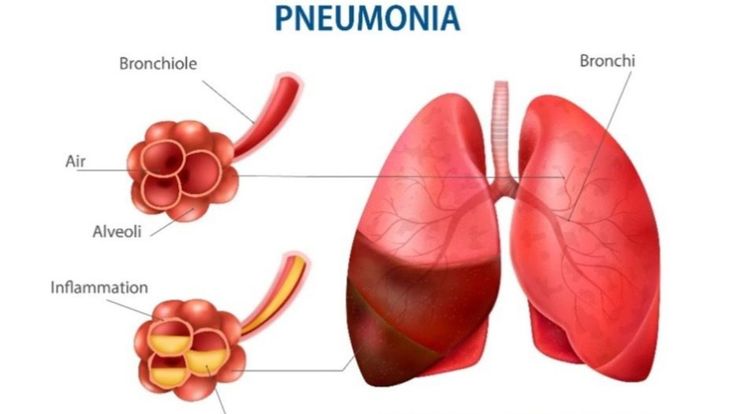
Pneumonia Contagious is a question that concerns millions of people each year, especially during flu seasons and respiratory illness outbreaks. While pneumonia itself is a lung infection, its contagious nature depends on the underlying cause and how it spreads between individuals. Understanding the facts, clearing common myths, and following sound health guidance can make a real difference in prevention, recovery, and public awareness.
Early Life and Background
Dr. Samuel Carter was born in Denver, Colorado, a city surrounded by mountains and known for its clean air and outdoor lifestyle. Growing up, he developed an early awareness of respiratory health due to the altitude-related breathing challenges some family members experienced. His upbringing emphasized curiosity, compassion, and service, values that shaped his interest in health and science. These early influences laid the groundwork for his lifelong dedication to understanding illnesses such as Pneumonia Contagious conditions and how they affect communities.
Age and Birth Details
Born in 1979, Dr. Carter is now 46 years old. At this stage of life, his professional maturity is reflected in both experience and perspective. Years of treating patients across different age groups helped him understand how pneumonia affects children, adults, and seniors differently. Life experience has refined his ability to explain complex topics like Pneumonia Contagious transmission in clear, accessible ways.
Also Read This:- Gonzay Com Health: Your Path to Better Wellness
Education and Medical Training
Dr. Carter pursued medical education with a focus on respiratory sciences and infectious diseases. After completing medical school, he underwent specialized training in pulmonology, where lung infections and breathing disorders became central to his work. His academic background equipped him with the scientific foundation to evaluate pneumonia causes, treatment options, and contagious risk factors. Education played a critical role in his ability to address public concerns surrounding Pneumonia Contagious questions responsibly.
Early Interest in Respiratory Health
His early interest in respiratory health began during clinical rotations, where he witnessed how lung infections could rapidly escalate if misunderstood or untreated. Seeing patients struggle with breathing difficulties left a lasting impression. These experiences deepened his interest in how pneumonia develops, spreads, and impacts vulnerable populations. Understanding whether Pneumonia Contagious risks were present became a recurring theme in his learning journey.
Career Beginnings in Healthcare
Dr. Carter’s career began in hospital settings, where he worked closely with emergency and respiratory care teams. Early roles involved diagnosing lung infections, monitoring patient recovery, and educating families about prevention. These formative experiences highlighted the importance of communication, especially when addressing fears related to Pneumonia Contagious transmission among family members and caregivers.
Focus on Pneumonia and Contagious Diseases
As his career progressed, Dr. Carter chose to focus specifically on pneumonia and other infectious respiratory diseases. He observed that misinformation often caused unnecessary panic or delayed care. His decision to specialize allowed him to study how pneumonia spreads, when it is contagious, and how risk can be reduced. This focus positioned him as a trusted voice in conversations about Pneumonia Contagious risks and prevention strategies.
Professional Growth and Major Achievements
Over two decades, Dr. Carter contributed to research initiatives, community health programs, and educational seminars. His work helped improve early detection and patient education related to pneumonia. He became known for simplifying medical language without compromising accuracy. These achievements strengthened public understanding of Pneumonia Contagious realities and encouraged proactive health behavior.
Medical Philosophy and Patient Care Approach
Dr. Carter’s medical philosophy emphasizes prevention, clarity, and compassion. He believes patients should understand their condition without fear or confusion. When addressing Pneumonia Contagious concerns, he focuses on evidence-based explanations, hygiene awareness, and realistic risk assessment. His approach empowers individuals to make informed decisions while avoiding unnecessary anxiety.
Age and Physical Appearance
At 46, Dr. Carter maintains a professional yet approachable appearance. His calm demeanor and attentive presence help patients feel at ease, especially when discussing sensitive health concerns. While physical appearance is secondary to expertise, his confident and reassuring manner supports effective communication about Pneumonia Contagious topics.
Personal Life and Relationships
Outside of his professional life, Dr. Carter values family and close relationships. He is married and credits his support system for helping him manage the emotional demands of healthcare. Personal relationships remind him of the human side of medicine, reinforcing his commitment to public education on illnesses like Pneumonia Contagious conditions.
Work-Life Balance
Balancing a demanding medical career with personal well-being is essential. Dr. Carter prioritizes rest, physical activity, and family time to maintain focus and resilience. This balance allows him to remain engaged and effective in his work while continuing to advocate for responsible health practices related to Pneumonia Contagious risks.
Also Read This:- Health Effects from Impaired Coordination: Causes, Consequences, and Treatment Explained
Current Role and Public Health Vision
Currently, Dr. Carter works as a senior consultant and public health educator, focusing on awareness campaigns and patient education. His vision includes expanding access to accurate information and reducing fear-based misinformation. By improving public understanding of Pneumonia Contagious facts, he aims to promote healthier, more informed communities.
Understanding Pneumonia Contagious Facts and Myths
A common misconception is that all pneumonia cases are highly contagious. In reality, pneumonia itself is not always contagious, but the germs causing it can be. Viral and bacterial forms may spread through close contact, while other types are not transmissible. Understanding these distinctions helps clarify Pneumonia Contagious concerns and supports appropriate prevention measures.
Health Guidance for Prevention and Awareness
Preventive steps such as good hygiene, avoiding close contact when ill, and maintaining strong immunity are essential. Awareness, rather than fear, is key. Clear knowledge about Pneumonia Contagious risks helps individuals protect themselves and others without unnecessary alarm.
Conclusion
Pneumonia Contagious is a topic that deserves clear explanation, not confusion. Through education, experience, and compassionate care, professionals like Dr. Samuel Carter help bridge the gap between medical science and public understanding. By separating facts from myths and promoting informed health choices, awareness becomes a powerful tool in protecting individuals and communities alike.
Frequently Asked Questions
Is pneumonia contagious to everyone?
Pneumonia Contagious risk depends on the cause and individual immunity.
Can pneumonia spread through casual contact?
Some forms can spread through close contact, but not all types are contagious.
Who is most at risk from contagious pneumonia?
Young children, older adults, and individuals with weakened immunity.
Does wearing a mask help reduce pneumonia spread?
Protective measures can reduce the spread of respiratory germs.
How can people stay informed about pneumonia risks?
Accurate education and awareness are key to understanding Pneumonia Contagious concerns.
For More Visit Daily Trusts
