
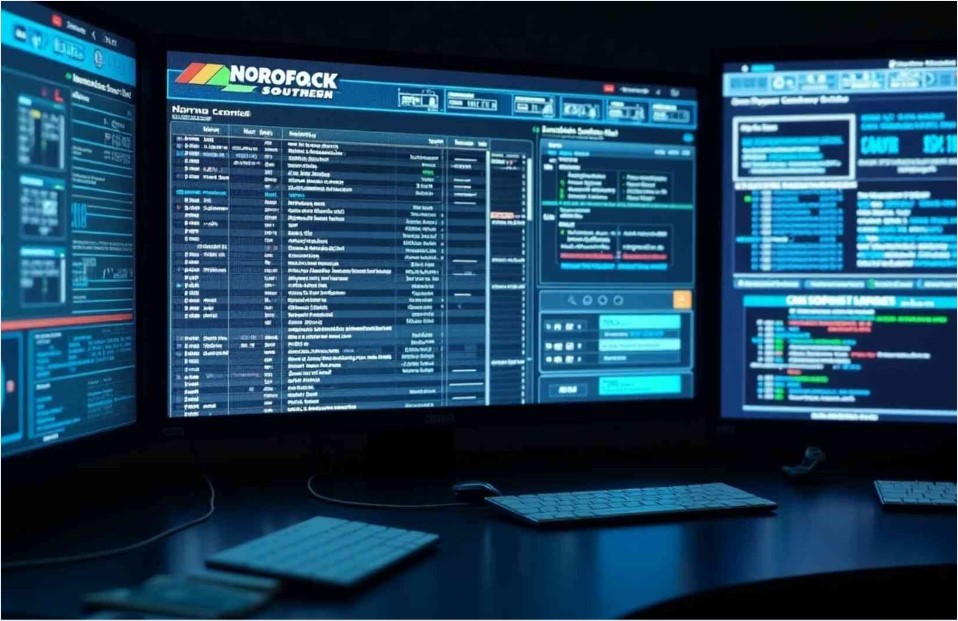
In the digital age, businesses require robust, scalable, and secure systems to manage their data and operations. The Norfolk mainframe is one of the key technological solutions that have supported enterprise-level operations for decades. Despite the rise of cloud computing and decentralized technologies, mainframes continue to play a crucial role in industries such as banking, government, insurance, and healthcare. Understanding the value and capabilities of the Norfolk mainframe can offer businesses insights into how to optimize their technological infrastructure for long-term success.
In this article, we will explore the Norfolk mainframe, its key features, the advantages it offers, and how it continues to shape enterprise-level computing in the modern business world. We will also delve into its historical significance, how it compares to modern computing technologies, and why organizations still rely on mainframes for mission-critical applications.
What is a Mainframe and Why is it Important?
Definition and Overview of Mainframes
Mainframes are powerful computing systems designed to handle large volumes of data processing and run mission-critical applications. These systems are characterized by their ability to handle a massive amount of input/output (I/O) operations and process transactions simultaneously. Traditionally used by large enterprises and government agencies, mainframes are known for their reliability, scalability, and security.
Importance of Mainframes in Modern Computing
While many industries have embraced cloud computing, mainframes remain vital due to their robust features. Here’s why:
- Reliability: Mainframes are renowned for their uptime. These systems are designed for high availability, which is essential for industries where system downtime can lead to significant financial losses.
- Data Processing: Mainframes are capable of handling massive amounts of data and complex transactions with minimal latency. This makes them ideal for industries like banking, insurance, and retail, where large-scale transaction processing is required.
- Security: With cybersecurity threats increasing globally, mainframes offer a level of security and encryption that makes them indispensable for businesses managing sensitive data.
In short, while modern technologies like cloud computing have their place, mainframes continue to be the backbone of mission-critical systems in numerous industries.
Norfolk Mainframe: A Leader in Enterprise Computing
The Norfolk mainframe is a high-performance computing system developed by the Norfolk company, which is known for creating scalable and reliable enterprise-grade hardware. Over the years, the Norfolk mainframe has become synonymous with powerful, efficient, and secure data processing in large organizations.
Key Features of Norfolk Mainframe
The Norfolk mainframe boasts several key features that make it an essential tool for enterprise computing:
1. High Performance and Scalability
One of the defining characteristics of the Norfolk mainframe is its ability to scale with a growing business. As companies expand, their data processing and storage needs increase. The Norfolk mainframe can handle this growth by allowing businesses to add additional resources, such as CPUs or memory, to their existing systems without disrupting operations.
2. Enhanced Security Protocols
Security is a top concern for any organization handling sensitive data, and the Norfolk mainframe is designed with security in mind. These systems come equipped with industry-leading encryption technologies and access control mechanisms to ensure data integrity and prevent unauthorized access. They also support compliance with various industry regulations, such as GDPR, HIPAA, and PCI DSS.
3. Transaction Processing Capabilities
Norfolk mainframes are known for their ability to process large volumes of transactions at high speeds. This is particularly useful for industries like banking and retail, where thousands of transactions may occur in a short period. The Norfolk mainframe’s ability to handle complex calculations and multi-step processes ensures that business operations run smoothly without delays.
4. Long-Term Support and Maintenance
Mainframes like those built by Norfolk are designed for long-term use, often lasting decades. This durability is crucial for businesses that rely on these systems to run their core operations. Norfolk offers extensive support and maintenance services to keep the system up-to-date and functioning smoothly.
5. Energy Efficiency
Despite their large size and power, Norfolk mainframes are designed to be energy-efficient. This is particularly important for businesses looking to reduce operational costs while maintaining a high level of computing power.
Applications of Norfolk Mainframes in Various Industries
The Norfolk mainframe supports a wide range of industries, offering tailored solutions for sectors that require high levels of data processing, security, and scalability. Here are some of the key sectors where Norfolk mainframes play a vital role:
1. Banking and Financial Services
In the banking sector, transaction processing and data security are of paramount importance. Norfolk mainframes are widely used by financial institutions to handle complex tasks such as:
- Real-time transaction processing
- Risk management
- Fraud detection
- Customer relationship management (CRM)
By leveraging the power of Norfolk mainframes, banks can manage millions of transactions per day with minimal risk of downtime or data breaches.
2. Healthcare
In healthcare, patient data security and compliance with regulatory standards such as HIPAA are crucial. Norfolk mainframes are utilized by hospitals and healthcare organizations to:
- Store and manage patient records
- Process insurance claims
- Support medical billing systems
The ability to manage vast amounts of sensitive data while ensuring high levels of security makes Norfolk mainframes an ideal solution for healthcare organizations.
3. Government Agencies
Government organizations rely on Norfolk mainframes to process large amounts of data and maintain citizen records. These systems support various functions, including:
- Tax processing
- Social security benefits management
- Emergency services dispatch
- Public sector accounting
The Norfolk mainframe’s reliability and security are crucial for ensuring that government services run efficiently and securely.
4. Retail and E-Commerce
Retailers and e-commerce companies use Norfolk mainframes to handle large volumes of transactions, inventory management, and customer data. Mainframes are particularly useful for:
- Managing supply chains
- Processing credit card payments securely
- Running loyalty programs
- Personalizing customer experiences
Mainframes help ensure that retailers can provide seamless services to customers even during high-traffic periods, such as holiday seasons or flash sales.
5. Insurance
The insurance industry involves managing vast amounts of data, from policyholder information to claims processing. Norfolk mainframes are used by insurance companies to:
- Process insurance claims efficiently
- Handle underwriting tasks
- Analyze customer data to identify trends
- Ensure compliance with industry regulations
The Norfolk mainframe’s ability to process complex datasets ensures that insurance companies can provide timely and accurate services to their clients.
The Advantages of Using Norfolk Mainframes
Despite the rise of cloud computing and other modern technologies, Norfolk mainframes continue to offer numerous advantages for businesses that require high-level performance, security, and scalability.
1. Unmatched Reliability
Mainframes are built for high availability, with systems designed to operate 24/7 without interruptions. For businesses that rely on continuous data processing, such as banks or healthcare organizations, Norfolk mainframes provide the reliability that is necessary for uninterrupted operations.
2. Scalability to Support Growth
As businesses grow, so too do their data processing needs. Norfolk mainframes can scale easily to accommodate more users, more transactions, and more data without sacrificing performance. This scalability ensures that companies can continue using their mainframe systems as they expand.
3. High-Speed Data Processing
Norfolk mainframes are designed for high-speed processing, capable of handling millions of transactions and data points per second. This is particularly important for industries that need real-time data processing, such as financial services, e-commerce, and healthcare.
4. Data Security
Security is a top concern for businesses dealing with sensitive data, and Norfolk mainframes are equipped with the latest encryption technologies and robust security protocols. The ability to maintain tight control over data access and ensure secure transactions is one of the main reasons that organizations choose Norfolk mainframes.
5. Cost Efficiency Over Time
Although the upfront cost of a Norfolk mainframe may be high, these systems are built for long-term use, often lasting decades. The ability to maintain and scale the system without the need for frequent upgrades makes mainframes a cost-effective solution for businesses in the long run.
Norfolk Mainframe vs. Modern Cloud Computing Solutions
While cloud computing has become a popular alternative for many businesses, Norfolk mainframes still hold a significant advantage in certain scenarios. Here’s how they compare:
Performance and Speed
Mainframes excel in environments that require high transaction volume and complex data processing. Cloud services, while highly scalable, may not offer the same level of processing power and speed that mainframes provide, especially when handling large, real-time data transactions.
Security
Although cloud services have made great strides in terms of security, mainframes offer higher levels of data control and better encryption for businesses that deal with highly sensitive information, such as financial institutions or government organizations.
Reliability and Uptime
Mainframes are renowned for their reliability and uptime, with failover systems and redundancy protocols in place to ensure continuous operation. Cloud services, while highly reliable, may still experience occasional downtime or disruptions.
Cost Considerations
Mainframes require a significant upfront investment, but the cost can be offset over time due to the system’s durability and long-term support. Cloud computing can be cost-effective for startups and small businesses, but for large enterprises with high transaction volumes, a mainframe may offer more long-term value.
Conclusion: Why the Norfolk Mainframe Still Matters in Modern Business
The Norfolk mainframe continues to be a critical component in the infrastructure of large businesses and organizations across various industries. With its unmatched reliability, security, and processing power, it offers a robust solution for managing complex data operations and handling high volumes of transactions.
As businesses continue to evolve and grow, the Norfolk mainframe provides a scalable and secure foundation for mission-critical applications, ensuring that operations continue to run smoothly even in the face of digital transformation.
For organizations in industries like banking, healthcare, retail, and government, investing in a Norfolk mainframe is a long-term strategy that guarantees reliability, scalability, and security, offering a significant competitive advantage in the modern business world.
FAQs
Q: How does the Norfolk mainframe compare to cloud computing?
A: While cloud computing offers scalability and flexibility, Norfolk mainframes are preferred for high-performance applications requiring large-scale data processing, high security, and guaranteed uptime.
Q: Is the Norfolk mainframe suitable for small businesses?
A: Norfolk mainframes are designed for large enterprises with significant data processing needs. Small businesses may find cloud solutions more cost-effective, but larger organizations can benefit from the mainframe’s reliability and performance.
Q: What industries rely on Norfolk mainframes?
A: Key industries include banking, healthcare, government, insurance, and retail, all of which require secure, high-speed data processing and scalability.
Q: How long do Norfolk mainframes last?
A: Norfolk mainframes are designed for long-term use, often lasting decades with proper maintenance and upgrades.
Q: Can Norfolk mainframes integrate with modern technologies?
A: Yes, Norfolk mainframes are designed to integrate with modern technologies, including cloud computing, artificial intelligence, and blockchain, allowing businesses to adopt new innovations while maintaining their legacy systems.
More Information go to dailytrusts
