
Clean indoor air is essential for comfort, health, and energy efficiency, yet it often depends on systems hidden behind walls and ceilings. Duct Cleaning focuses on clearing accumulated dust, debris, and contaminants from air ducts so that homes and buildings can breathe easier. When done correctly, it improves airflow, supports HVAC performance, and helps create a healthier indoor environment.
Background and Purpose of Duct Cleaning
The background of DuctCleaning is closely tied to the way modern building manage airflow. Heating and cooling systems circulate air throughout living and working spaces, and over time, dust, pet dander, pollen, and other particles collect inside ductwork. The purpose of duct cleaning is to remove these contaminants so that air can flow freely and cleanly.
Beyond cleanliness, duct cleaning serves a functional role. Clear ducts help HVAC systems operate efficiently, reducing strain on equipment and improving temperature consistency. For homeowners and businesses alike, the service supports comfort, health, and long-term system reliability.
Early Development and Industry Growth
In earlier decades, indoor air quality received less attention than it does today. As buildings became more sealed for energy efficiency, awareness grew around the need for proper ventilation and cleanliness. This shift fueled the growth of Duct Cleaning as a specialized service within the HVAC industry.
Industry growth accelerated as research highlighted the relationship between indoor air and health. Today, duct cleaning has evolved with better tools, training, and standards. Its development reflects a broader focus on healthier indoor environments and smarter building maintenance.
Also Read This:- Cadillac Lyriq Electric SUV: A Luxury SUV Reimagined for the Electric Future
How Duct Cleaning Works
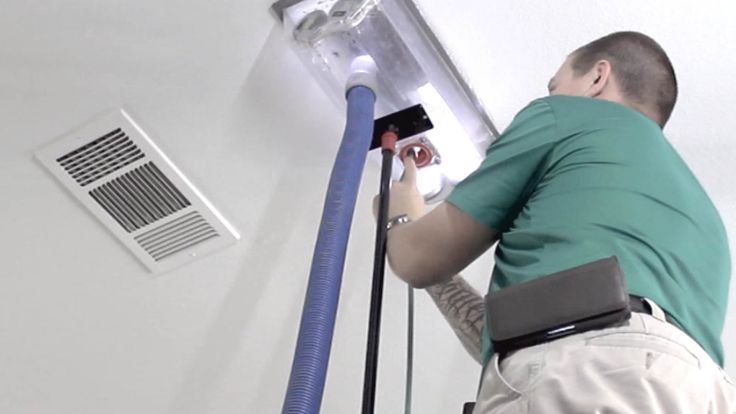
Understanding how DuctCleaning works helps explain its benefits. The process typically begins with an inspection of the duct system to identify buildup and airflow issues. Technicians then use specialized equipment such as high-powered vacuums and rotating brushes to loosen and remove debris.
As contaminants are dislodged, they are captured by filtration systems designed to prevent particles from re-entering the living space. This method ensures thorough cleaning while protecting indoor air during the process. Proper duct cleaning addresses both visible and hidden buildup.
Types of Air Ducts and Ventilation Systems
Different buildings contain different duct systems, and DuctCleaning adapts accordingly. Common duct types include metal ducts, flexible ducts, and fiberboard ducts. Each requires specific handling to ensure effective cleaning without damage.
Ventilation systems may include supply ducts, return ducts, and exhaust vents. Comprehensive duct cleaning addresses all relevant components so that airflow remains balanced. Understanding these systems ensures that cleaning efforts deliver meaningful results.
Health and Indoor Air Quality Benefits
One of the most recognized benefits of DuctCleaning is improved indoor air quality. Removing dust and allergens from ducts can reduce the circulation of airborne particles, creating a cleaner breathing environment. This is especially valuable for individuals with allergies or sensitivities.
Cleaner ducts contribute to fresher indoor air, reducing odors caused by dust buildup or microbial growth. While duct cleaning is not a cure-all, it supports healthier living conditions when combined with proper ventilation and maintenance.
Impact on HVAC Efficiency and Performance
Efficiency is another key advantage of DuctCleaning. When ducts are clogged with debris, HVAC systems must work harder to move air. This increased strain can lead to higher energy use and uneven heating or cooling.
Clean ducts allow air to circulate freely, improving system responsiveness and temperature consistency. Over time, this improved performance can extend equipment lifespan and help manage energy costs, making duct cleaning a practical maintenance choice.
Signs That Duct Cleaning Is Needed
Recognizing when Duct Cleaning is needed helps homeowners and businesses act proactively. Common signs include visible dust around vents, inconsistent airflow, and lingering indoor odors. Increased dust accumulation on surfaces may also indicate dirty ducts.
Other indicators include recent renovations, which often introduce debris into duct systems, or noticeable airflow blockages. Addressing these signs early helps maintain comfort and system efficiency.
Residential vs Commercial Duct Cleaning
Duct Cleaning applies to both residential and commercial settings, but the scope and approach can differ. Residential duct cleaning focuses on individual homes, addressing household dust, pet hair, and allergens.
Commercial duct cleaning often involves larger systems serving offices, retail spaces, or industrial buildings. These projects require specialized equipment and planning to minimize disruption. Despite differences in scale, the goal remains the same: cleaner air and better airflow.
Reputation and Professional Standards
The reputation of DuctCleaning depends heavily on professionalism and transparency. High standards ensure that services are performed thoroughly and responsibly. Trained technicians follow established procedures to protect ductwork and indoor air during cleaning.
Professional standards emphasize proper equipment use, clear communication, and realistic expectations. A strong reputation builds trust and ensures that duct cleaning delivers genuine value rather than superficial results.
Relationship With Homeowners and Businesses
The relationship between Duct Cleaning and clients is built on trust and reliability. Homeowners rely on the service to improve comfort and protect family health. Businesses depend on it to maintain pleasant environments for employees and customers.
Over time, consistent results strengthen these relationships. When clients notice improved airflow and cleaner air, duct cleaning becomes a valued part of routine maintenance rather than a one-time task.
Age, Physical Appearance, and Service Personality
In terms of maturity, Duct Cleaning represents a well-established service refined over decades. Its “physical appearance” is practical and industrial, associated with hoses, vacuums, and access panels rather than visible design elements.
If duct cleaning had a personality, it would be methodical, dependable, and quiet. It works behind the scenes, focusing on results rather than attention. This personality reflects its role as a steady contributor to indoor comfort and efficiency.
Also Read This:- Scooter Rental Insights: Everything You Need to Know Before You Ride
Future Trends and Long-Term Vision
The future of Duct Cleaning is shaped by innovation and growing awareness of indoor air quality. Advances in inspection tools, filtration technology, and cleaning methods are making services more effective and precise.
The long-term vision emphasizes integration with overall HVAC care. As people prioritize healthier living spaces, duct cleaning will continue evolving as a key component of efficient, comfortable buildings.
FAQs
What is duct cleaning used for?
Duct cleaning is used to remove dust and debris from air ducts to improve airflow and air quality.
How often should duct cleaning be done?
Frequency depends on usage, environment, and system condition, but periodic cleaning supports efficiency.
Does duct cleaning improve HVAC performance?
Yes, clean ducts allow systems to operate more efficiently and evenly.
Is duct cleaning suitable for both homes and businesses?
Yes, duct cleaning applies to residential and commercial buildings.
Can duct cleaning reduce indoor dust?
It can help reduce dust circulation when combined with proper maintenance.
For More Visit Daily Trusts
