
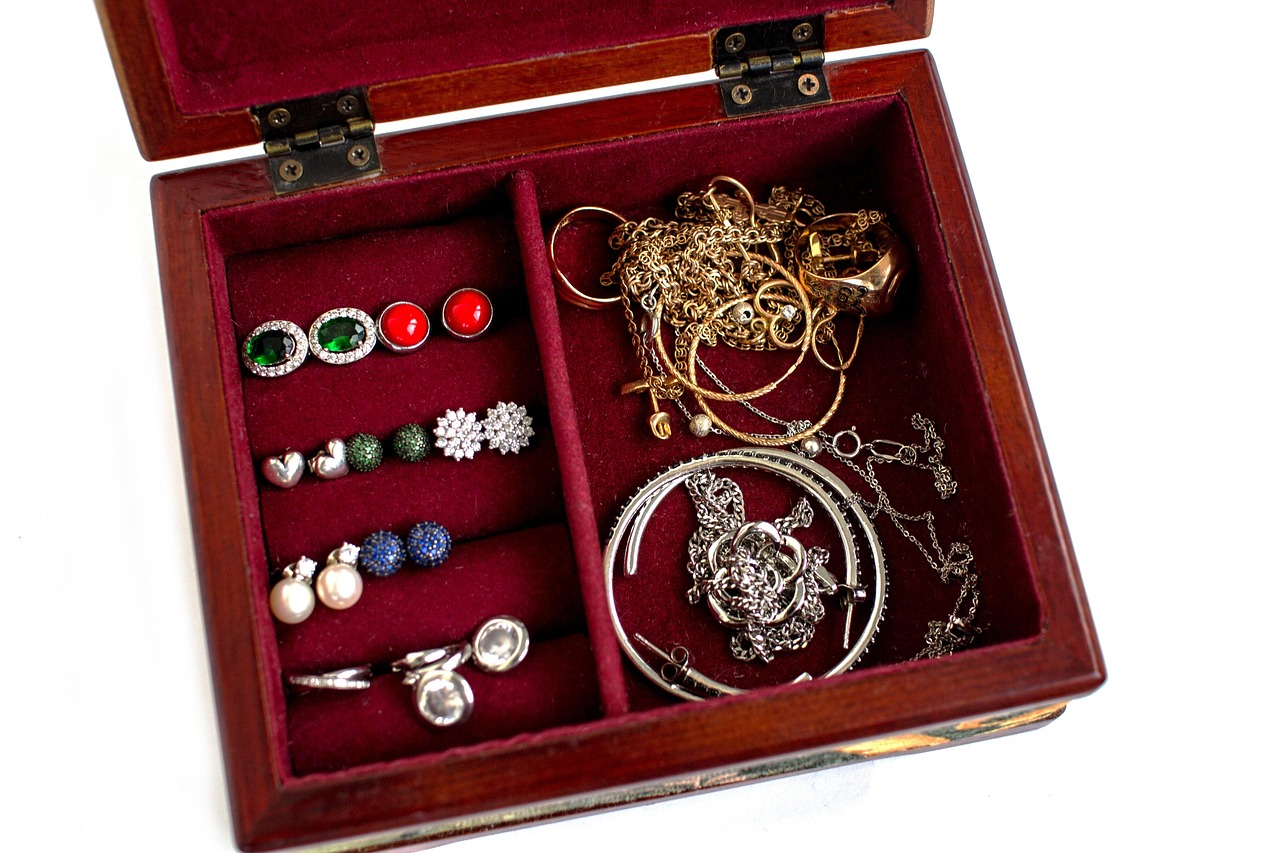
An antique jewelry box is much more than a simple storage container. It represents history, craftsmanship, artistry, and personal sentiment passed through generations. Whether displayed as a décor piece or preserved as a family heirloom, it carries beauty and emotional value that modern items rarely match.
History and Evolution of the Antique Jewelry Box
The antique jewelry box has a captivating history that spans centuries. Early civilization used handcrafted boxes to store precious items and ceremonial ornaments. During the Renaissance, ornate boxes became symbols of wealth and high status. The Victorian era introduced elaborate floral designs, luxurious materials, and sentimental carvings, often gifted during engagements or important celebrations. By the Art Deco period, sleek geometric styles and metallic finishes emerged, reflecting modern artistic movements. Each era contributed to the evolution of jewelry boxes, transforming them into cherished collectible pieces.
Common Materials Used in Antique Jewelry Boxes
A traditional antique jewelry box was crafted from a wide variety of luxurious materials. Wood remained the most popular, with mahogany, walnut, and rosewood used for their durability and rich texture. Metal boxes—especially bronze, silver, and brass—were prized for their elegant engravings. Ivory and enamel boxes showcased refined craftsmanship, while porcelain and glass designs were popular for their delicate beauty. Many antique boxes also featured mother-of-pearl inlays, gemstone accents, silk linings, and gold leaf detailing. These materials contributed to the box’s long-lasting charm and collectible value.
Also Read This:- Outdoor Lifestyle Performance with Quality Car Suspension Repair
Popular Styles and Designs
The antique jewelry box reflects the artistic styles of the era in which it was made. Victorian designs often showcased floral motifs, sentimental carvings, and romantic embellishments. Edwardian boxes featured graceful curves, lace-like patterns, and feminine touches. Art Nouveau styles highlighted natural shapes such as vines, flowers, and flowing lines. Art Deco designs introduced bold geometric patterns, chrome finishes, and modern elegance. Handcrafted artisan boxes also emerged throughout history, featuring unique patterns, rare materials, and creative interpretations of beauty.
Craftsmanship and Artistic Techniques
What makes an antique jewelry box truly special is the exceptional craftsmanship behind it. Many pieces were created by skilled artisans who used techniques like marquetry—an intricate method of embedding wood or metal pieces to create decorative patterns. Engraving brought texture and detail to metal boxes, while gilding added luxurious gold accents. Carving techniques allowed artists to sculpt elaborate images, from floral motifs to mythological scenes. Enameling introduced colorful, glossy finishes, while hand-painting added delicate artwork. These methods required precision, artistic talent, and countless hours of labor.
Symbolism and Cultural Meaning
Throughout history, an antique jewelry box symbolized more than just storage. In Victorian cultures, it represented love, romance, and commitment, often given during special occasions. In aristocratic households, ornate boxes signaled wealth and refined taste. Many antique boxes were passed down as heirlooms, symbolizing family heritage and emotional connection across generations. Some designs had cultural meaning, such as floral motifs symbolizing prosperity or protection. Because of this symbolism, antique jewelry boxes hold deep sentimental value even today.
How to Determine Authenticity
Authenticity plays a critical role when evaluating an antique jewelry box. Several markers help distinguish genuine antiques from modern reproductions. The presence of patina—a natural aging effect—indicates age. Construction methods reveal authenticity: hand-cut joints, uneven finishes, or old nails often signify older craftsmanship. Maker’s marks or stamps from well-known artisans can also confirm legitimacy. Additionally, the materials used must correspond with the era. Provenance, or documented history, adds even more credibility. Evaluating these factors ensures buyers identify true collectible pieces.
Factors That Affect the Value of Antique Jewelry Boxes
The value of an antique jewelry box is influenced by several key factors. Age and rarity significantly increase desirability. High-quality craftsmanship, especially from renowned artisans, enhances value. Condition is essential—boxes with original linings, intact hinges, and minimal damage are worth more. Materials such as silver, ivory, and mother-of-pearl contribute to higher pricing. Historical significance, such as pieces connected to famous families or time periods, also boosts value. These elements help determine whether a jewelry box is a modest collectible or a luxury investment piece.
Famous Makers and Brands
Many artisans and brands contributed to the beauty of the antique jewelry box. Renowned European craftsmen created ornate metal boxes with expert engraving. French and Austrian enamel artists became famous for their colorful, hand-painted designs. Victorian-era manufacturers produced carved wooden boxes that are now highly collectible. Luxury brands like Tiffany & Co. crafted exquisite silver jewelry boxes known for elegance and quality. Understanding these makers helps buyers appreciate a box’s craftsmanship and value.
How to Care for and Preserve an Antique Jewelry Box
Proper care preserves the beauty and longevity of an antique jewelry box. Wooden boxes should be dusted regularly and polished with safe wood care products. Metal boxes require gentle cleaning to avoid scratching ornate engravings. Avoid harsh chemicals on enamel or painted designs, as they may damage the finish. Jewelry boxes should be stored away from direct sunlight to prevent fading or warping. Keeping the box in a cool, dry environment helps maintain the materials and prevents deterioration over time.
Decorative and Practical Uses Today
Even today, an antique jewelry box remains both decorative and practical. It adds charm and elegance to any room, blending seamlessly with vintage or modern décor. Many people use antique boxes as display pieces on dressers, shelves, or vanity tables. Others preserve them as heirlooms, storing meaningful jewelry or keepsakes. They also make thoughtful and symbolic gifts for special occasions. Antique jewelry boxes retain their timeless appeal, making them valuable additions to both homes and collections.
Where to Find Antique Jewelry Boxes
Finding an authentic antique jewelry box can be an enjoyable treasure hunt. Auctions often feature rare and valuable pieces, while estate sales may offer hidden gems at reasonable prices. Antique stores and flea markets provide a variety of styles from different eras. Collectors’ markets and trade fairs are excellent places to find curated selections. Online platforms with reputable sellers also offer extensive collections. However, buyers should always check authenticity and condition before purchasing.
Also Read This:- Cleaning Services: Everything You Need to Know for a Cleaner Living Space
Conclusion
The antique jewelry box remains a cherished symbol of craftsmanship, heritage, and timeless beauty. Whether collected for its artistic value or preserved as a family heirloom, it offers a sense of connection to the past and a touch of luxury to the present. Its intricate details, historical significance, and emotional meaning ensure that antique jewelry boxes will continue to fascinate collectors and décor lovers for generations to come.
FAQs
What makes an antique jewelry box valuable?
Age, craftsmanship, condition, rarity, and maker’s mark greatly influence value.
What materials were commonly used in antique jewelry boxes?
Wood, metal, ivory, enamel, porcelain, and mother-of-pearl were popular materials.
How can I tell if my jewelry box is truly antique?
Look for patina, construction techniques, maker’s marks, and historically accurate materials.
Are antique jewelry boxes good for everyday use?
They can be, but gentle handling and proper storage are recommended to preserve longevity.
What is the best way to clean an antique jewelry box?
Use soft cloths, gentle cleaners, and avoid harsh chemicals that may damage delicate surfaces.
More Information go to dailytrusts
