
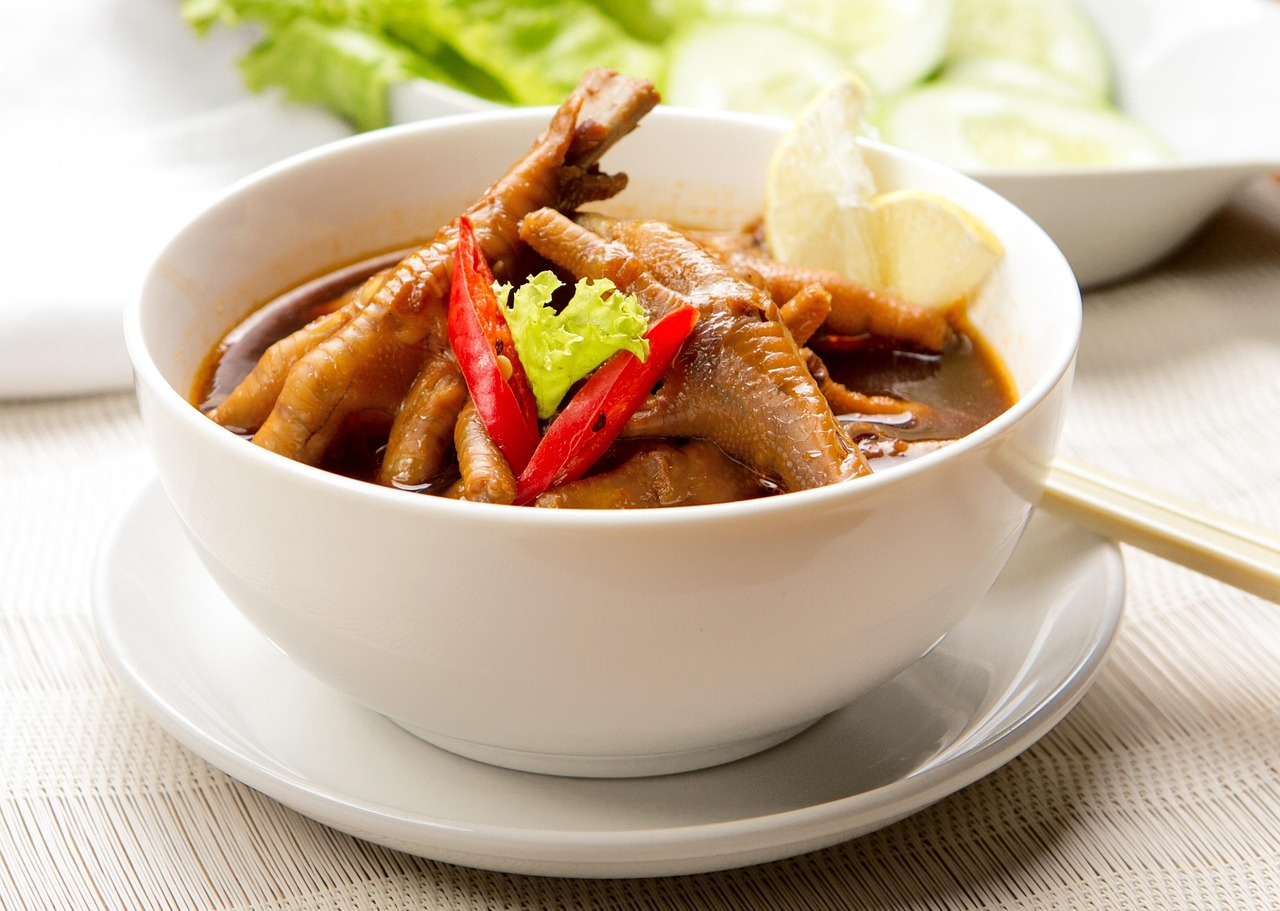
The journey of soup recipes is as old as early human cooking itself. Historians believe the first soups emerged when ancient communities discovered that heating water with edible plants, bones, and herbs created a flavorful, nourishing liquid. Over time, these simple preparations evolved into culturally rich dishes. In Asia, soups became symbols of healing; in Europe, they marked social gatherings; and in the Americas, indigenous communities crafted nutrient-packed bowls from local ingredients. The “biography” of soup mirrors human civilization—resourceful, adaptive, and deeply connected to nature.
The ‘Age’ of Soup Recipes
The “age” of soup recipes spans thousands of years, with archaeological evidence showing early soup creation in pottery over open fires. Ancient Egyptians made hearty grain-based soups, while Greeks simmered herbal broths for medicinal use. Medieval Europeans transformed soups into daily staples, creating variations like pottages and chowders. Today, soup ranges from time-honored classics to modern fusion bowls blending flavors from different continents. Traditional soups rely on slow simmering and basic ingredients, while modern versions embrace innovation, bold spices, and global influences.
The ‘Physical Appearance’ of Soup Recipes
Soups reveal a lot through their appearance. Some soup recipes are clear and delicate, such as consommés, while others are creamy and rich, like bisques or blended vegetable soups. Chunky soups offer texture, featuring visible vegetables, beans, or meats, whereas brothy soups emphasize warmth and hydration. Colors vary widely—vibrant orange pumpkin soup, deep green spinach soup, or golden bone broth. Appearance shapes expectations; for example, creamy white soups suggest mildness, while bright red soups often signify spice or acidity.
The Relations of Soup Recipes
Soups share close “family ties” with several related dishes. Stews are thicker relatives, simmered longer and featuring heartier components. Broths act as the foundational liquid that many soups rely on. Chowders bring a creamy, chunky profile, while bisques highlight silky smoothness with seafood or vegetables. Across global cuisines, soup recipes connect cultures—ramen in Japan, pho in Vietnam, pozole in Mexico, borscht in Eastern Europe, and gumbo in the American South. Together, these dishes form a culinary family tree rooted in comfort and tradition.
Also Read This:- Better Health Through a Gastroparesis Diet Approach
Health Benefits of Soup Recipes
One of the major reasons soup recipes remain popular is their excellent health value. Soups often contain nutrient-rich ingredients like vegetables, lean proteins, whole grains, and herbs. Because they are water-based, soups support hydration and digestion. Clear soups soothe the stomach, while hearty vegetable soups supply fiber, vitamins, and minerals. Many soups help with weight management because they are filling yet low in calories. Ingredients such as garlic, ginger, turmeric, and bone broth contribute to immune support. Whether for recovery, warmth, or wellness, soups naturally promote better health.
Types of Soup Recipes
There are countless varieties of soup recipes, each offering a unique sensory experience. Clear soups, like chicken broth, emphasize simplicity and lightness. Cream soups deliver richness through dairy or blended vegetables. Vegetable-based soups highlight seasonal produce and offer a nutritious boost. Meat-based soups add depth and protein, commonly found in traditional dishes. Vegan and vegetarian soups replace animal products with legumes, mushrooms, or plant milks. Modern fusion soups combine global flavors—think Thai curry soups or Korean-inspired spice blends—showing how soup continually evolves.
Essential Ingredients in Soup Recipes
Strong soup recipes begin with foundational ingredients. Broths, stocks, or water form the base, while vegetables such as carrots, onions, and celery build aromatic flavor. Proteins may include chicken, beef, tofu, beans, or seafood. Herbs and spices—bay leaves, thyme, rosemary, ginger, cumin—give soups depth and character. Adding grains like rice, barley, or noodles enhances heartiness. The balance of ingredients creates a beautiful harmony, making soups adaptable to any dietary preference.
Cooking Techniques for Great Soup
Mastering cooking techniques elevates ordinary soup recipes into exceptional meals. Slow simmering allows flavors to meld over time, ideal for broths or bone soups. Pressure cooking speeds the process while still extracting rich flavor. One-pot methods simplify preparation and cleanup, perfect for busy households. Searing vegetables or proteins before simmering can deepen flavor significantly. Techniques like blending, skimming, and layering herbs at various stages of cooking contribute to a refined final result.
Popular Soup Recipes Around the World
Many iconic soup recipes have earned a place in global culinary culture. French onion soup features caramelized onions and melted cheese. Thai tom yum is known for its spicy, sour, and aromatic profile. Japanese miso soup is mild, comforting, and served daily. Italian minestrone blends vegetables, pasta, and herbs into a hearty meal. American chicken noodle soup remains a symbol of comfort and healing. Regional specialties—from Moroccan harira to Indian lentil dal—showcase diverse ingredients and traditions.
Also Read This:- Snuff and Your Health: A Deep Dive into Consequences
How to Customize Soup Recipes
Customization makes soup recipes enjoyable for every palate. Flavor adjustments can shift a soup toward spicy, creamy, tangy, or savory depending on preference. Diet-based modifications include replacing cream with coconut milk, swapping meat for plant-based proteins, or adding gluten-free pasta. Toppings like fresh herbs, croutons, yogurt, nuts, or cheese enhance texture and aroma. Personalizing soups ensures they fit any lifestyle, from low-calorie diets to protein-rich meal plans.
Common Mistakes to Avoid
Even simple soup recipes can go wrong if certain mistakes occur. Overseasoning can overpower delicate flavors, while underseasoning makes soups bland. Overcooking vegetables results in mushy texture, especially in brothy soups. Adding too much water or too few ingredients can upset the ideal broth-to-component ratio. Forgetting to taste throughout the cooking process often leads to imbalanced flavors. Avoiding these mistakes ensures a delicious and consistent result every time.
Conclusion
Soup recipes continue to hold a cherished place in kitchens worldwide because they combine nourishment, comfort, and versatility. Their rich history, cultural connections, and countless variations make them suitable for every season and every dietary preference. Whether preparing a clear broth to soothe the stomach or a hearty stew for a satisfying meal, soups remain a timeless symbol of warmth and wellness. Exploring new ingredients and techniques only deepens the joy of crafting these comforting bowls.
FAQs
What makes soup recipes nutritious?
Most soups use vegetables, lean proteins, and hydrating broths, offering a concentrated source of vitamins and minerals.
Are soups good for weight loss?
Yes, many soups are filling yet low in calories, helping reduce overeating.
What is the healthiest type of soup?
Vegetable-based and broth-based soups typically offer high nutrients with minimal fat.
Can soup be a complete meal?
Absolutely—adding protein, vegetables, and grains can make soup balanced and satisfying.
How do I thicken a soup naturally?
Blended vegetables, potatoes, lentils, or beans can thicken soup without using cream.
More Information go to dailytrusts
